
10 Roofing Mistakes Florida Homeowners Commonly Make
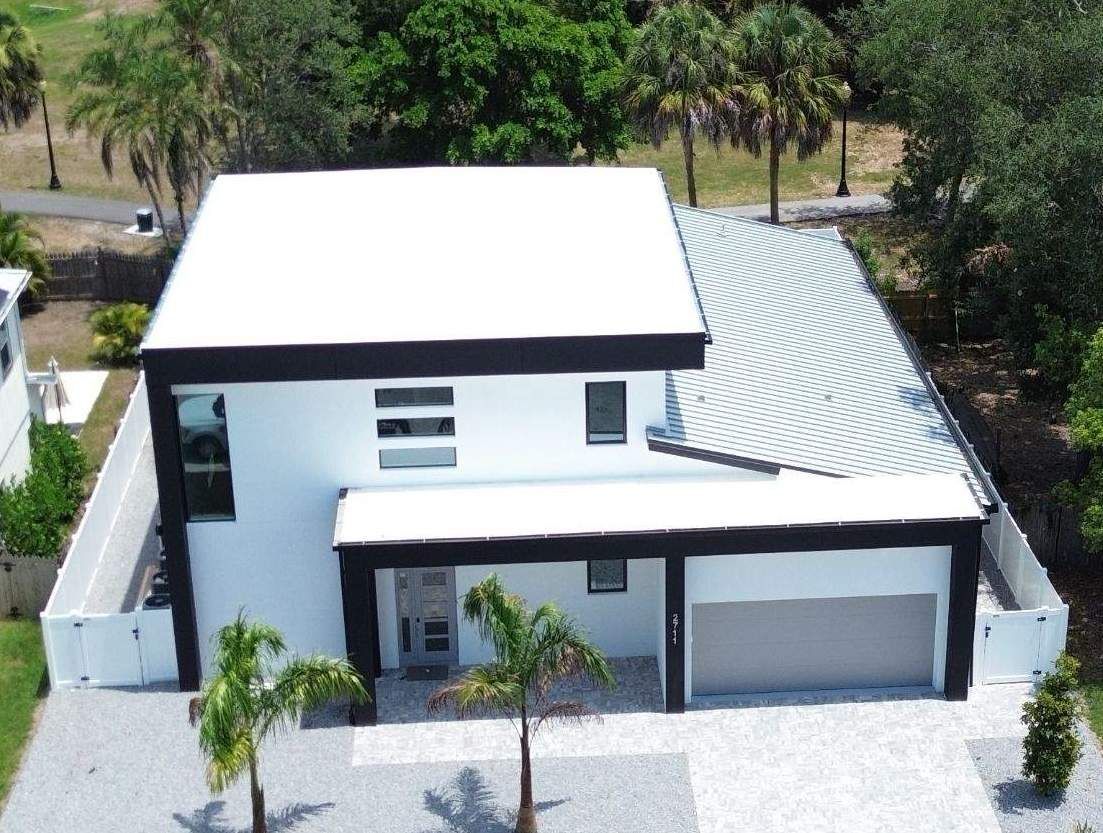
Florida homeowners often make costly roofing mistakes, from skipping inspections to hiring unlicensed contractors, that lead to leaks, structural damage, and voided warranties. This post covers the 10 most common errors and how to avoid them, so your roof stays strong through Florida's toughest weather conditions.
Florida's climate is no joke. Between blazing summer heat, torrential afternoon storms, and the ever-present threat of hurricanes, your roof works harder here than almost anywhere else in the country. A small oversight can quickly turn into a major repair bill, or worse, a full roof replacement.
The good news? Most roofing mistakes are entirely preventable. After nearly four decades of serving homeowners across Palm Beach, Miami, Tampa, Orlando, Sarasota, Fort Myers, Naples, and beyond, the team at Evans Roofing has seen the same costly errors come up again and again. We've put together this guide to help you spot the warning signs early, make smarter decisions, and protect one of your biggest investments, your home.
Whether you're dealing with a minor leak or planning a full roof replacement, understanding these common pitfalls can save you thousands of dollars and a whole lot of stress.
Mistake #1: Skipping Annual Roof Inspections
Out of sight, out of mind, but that mindset can cost you dearly. Many Florida homeowners only call a roofer after a problem becomes visible, by which point the damage has often spread far beyond the original source.
Roofing professionals recommend scheduling at least one professional inspection per year, ideally before hurricane season begins in June. A qualified inspector can identify cracked tiles, deteriorating flashing, clogged drainage systems, and early signs of moisture intrusion that aren't visible from the ground.
Catching these issues early keeps repair costs manageable and extends the life of your roof significantly.
Mistake #2: Hiring Unlicensed or Uninsured Contractors
Price is important, but hiring the cheapest contractor on the market often leads to expensive problems down the road. Florida law requires roofing contractors to be licensed and insured, yet unlicensed work remains a widespread issue, particularly after major storms when demand spikes and out-of-state "storm chasers" flood the market.
Always verify a contractor's license through the Florida Department of Business and Professional Regulation before signing anything. Make sure they carry both liability insurance and workers' compensation coverage. If something goes wrong on an uninsured job, you could be held financially responsible.
Evans Roofing is a licensed, insured, and certified general contractor with a proven track record across Florida since 1986. Every project comes with a warranty, so you know the work is built to last.
Mistake #3: Ignoring Post-Storm Damage Assessments
After a hurricane or severe storm, some homeowners assume their roof is fine if it looks intact from the street. This is a dangerous assumption. Storm damage often hides in plain sight, beneath surface tiles, inside underlayment, or along flashing joints where water finds its way in gradually.
Florida's hurricane season (June through November) creates recurring stress on roofing systems. Even a Category 1 storm can dislodge tiles, compromise seals, and introduce moisture that causes mold and rot over time.
Schedule a professional inspection after any significant storm event. Many roofing companies, including Evans Roofing, offer storm damage assessments to help homeowners understand the full scope of any damage before filing an insurance claim.
Mistake #4: Choosing the Wrong Roofing Material for Florida's Climate
Not all roofing materials are created equal, and what works well in a cooler, drier climate may perform poorly in Florida's heat and humidity. Some homeowners choose roofing materials based on aesthetics or upfront cost alone, without considering how they'll hold up against UV exposure, heavy rain, and high winds.
Here's a quick breakdown of common Florida roofing materials:
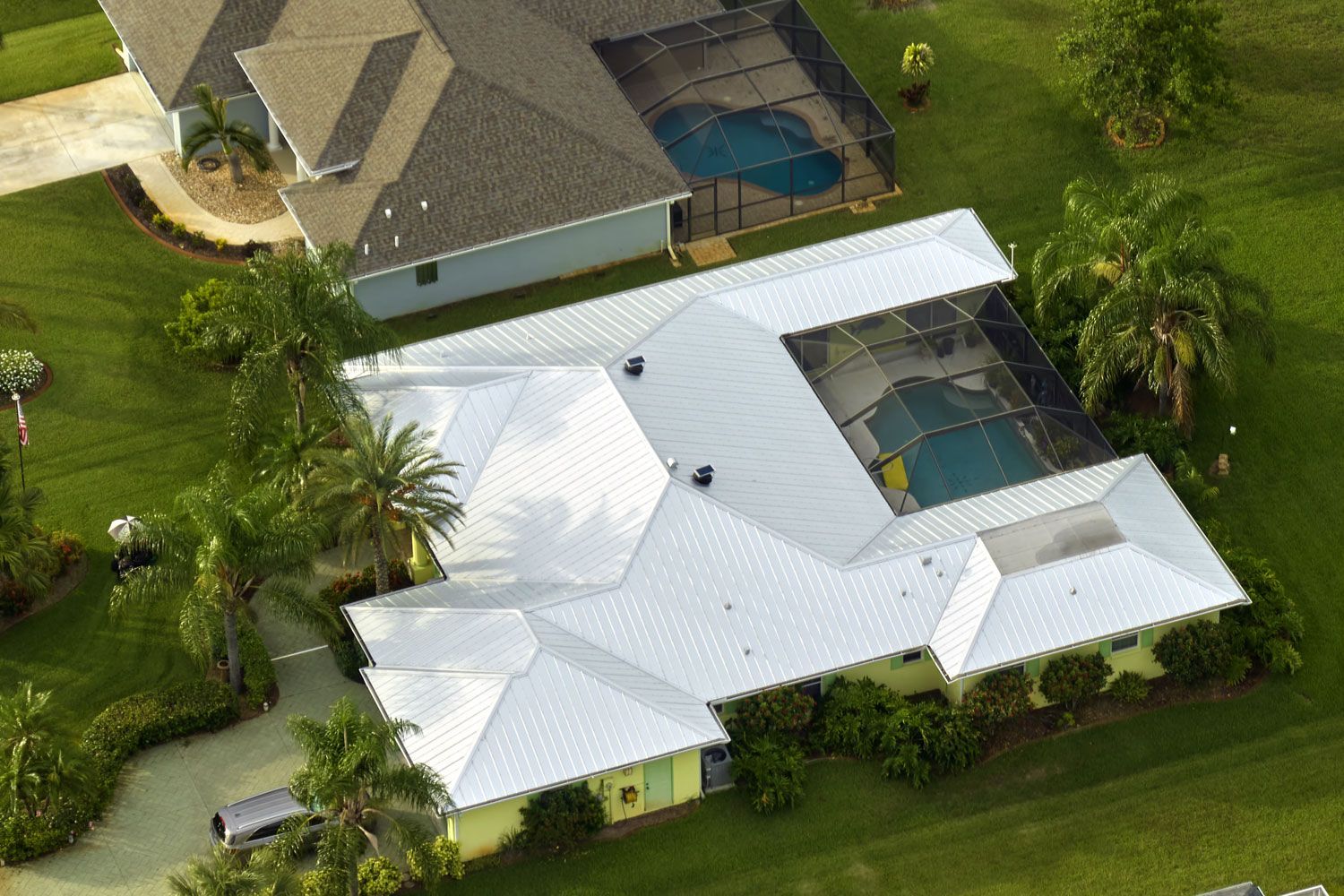
- Metal roofing: Highly durable, energy-efficient, and wind-resistant. A strong long-term investment.
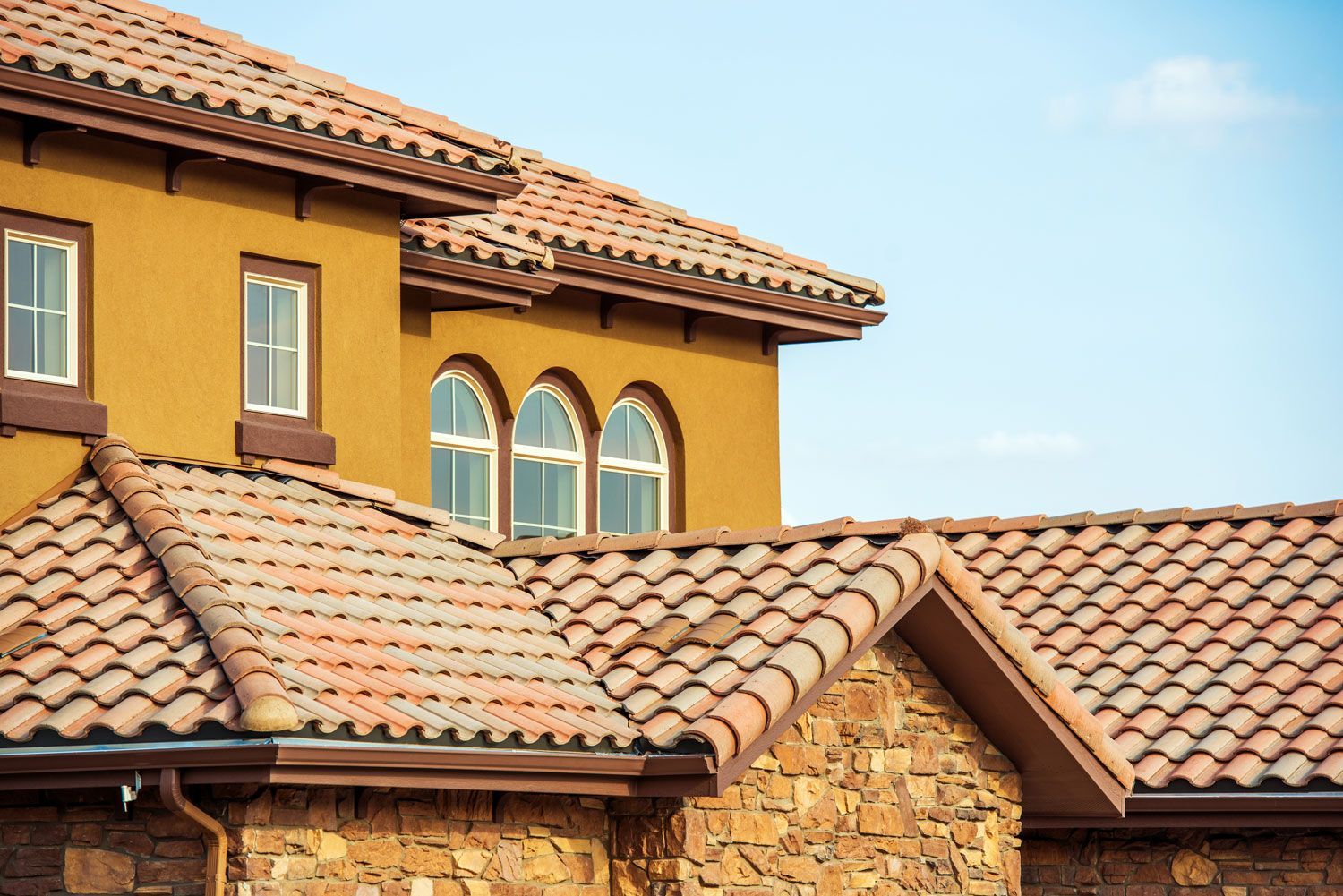
- Concrete and clay tile: Excellent longevity and heat resistance, common in South Florida architecture.
- Asphalt shingles: Affordable and widely used, but requires quality underlayment in Florida conditions.
- Flat/TPO roofing: Ideal for commercial properties and low-slope residential roofs when properly installed and maintained.
A qualified roofing contractor can help you select the right system for your property, budget, and local weather conditions.
Mistake #5: DIY Roof Repairs Without Professional Knowledge
Online tutorials make roofing look deceptively simple. But DIY roof repairs, especially in Florida, carry serious risks. Beyond personal safety concerns, improper repairs can void your manufacturer's warranty, cause additional water intrusion, and create code violations that complicate future home sales.
Florida building codes are strict for good reason. Roofing systems must meet specific wind mitigation requirements, and improperly installed materials may not qualify for insurance credits or pass inspection. Always consult a licensed roofing contractor before attempting any repair beyond basic surface cleaning.
Mistake #6: Neglecting Roof Ventilation and Insulation
Poor attic ventilation is one of the most overlooked roofing issues in Florida. When heat builds up in an under-ventilated attic, it accelerates shingle deterioration, drives up cooling costs, and creates conditions for moisture damage and mold growth.
Proper ventilation keeps attic temperatures regulated, extends the life of your roofing materials, and contributes to overall energy efficiency. If your air conditioning system is working overtime, especially in summer, inadequate ventilation could be a contributing factor. A roofing professional can assess your current setup and recommend solutions.
Mistake #7: Delaying Repairs to Save Money
It's tempting to put off a roof repair when the leak seems small or intermittent. But water has a way of finding the path of least resistance, and a minor drip can quietly cause major structural damage over weeks or months.
Roof repairs almost always cost less when addressed early. A small flashing issue caught during a routine inspection might cost a few hundred dollars to fix. Left unaddressed, the same problem can lead to rotted decking, damaged insulation, mold remediation, and eventually a full roof replacement, costs that can run into the tens of thousands.
If you notice water stains on ceilings, granules collecting in gutters, or missing tiles after a storm, contact a roofing contractor promptly.
Mistake #8: Not Checking References or Reviews Before Hiring
Roofing is a significant investment, and who you hire matters as much as what materials you choose. Some homeowners hire contractors based on a flyer, a cold call, or a single recommendation, without verifying the company's track record.
Before hiring any roofing company, check for:
- Online reviews on Google, the Better Business Bureau, or Houzz
- Completed project portfolios demonstrating experience with your roof type
- Clear written estimates that outline materials, scope of work, and timelines
- Warranty terms that are documented and easy to understand
Evans Roofing provides honest, transparent assessments and has built its reputation across Florida communities through decades of consistent, quality workmanship.
Mistake #9: Overlooking Gutters and Drainage Systems
Your roof and your gutters are part of the same system. When gutters become clogged with leaves, dirt, and debris, water backs up under roofing materials, accelerates corrosion, and can seep into your home's foundation and walls.
In Florida, where intense rain events are common, proper drainage is critical. Clean your gutters at least twice a year, more if your property has heavy tree coverage, and inspect downspouts to ensure water is flowing freely away from your home's foundation. Many roofing maintenance plans include gutter inspection as a standard service.
Mistake #10: Failing to Understand Your Roofing Warranty
Roofing warranties come in two main forms: manufacturer warranties (covering materials) and workmanship warranties (covering installation quality). Many homeowners don't read the fine print and unknowingly void their coverage through improper maintenance, DIY repairs, or hiring non-authorized contractors for follow-up work.
Before your roofing project begins, ask your contractor to walk you through both warranties. Understand what's covered, what's not, and what maintenance obligations are required to keep the warranty valid. Evans Roofing provides warranties on all jobs and ensures customers fully understand their coverage before any work begins.
Protect Your Home with the Right Roofing Partner
Florida's weather demands a roof that's properly installed, well-maintained, and built for the long haul. Avoiding these ten common mistakes puts you in a much stronger position to protect your home, manage costs, and stay ahead of problems before they escalate.
Evans Roofing has been serving Florida homeowners and businesses since 1986, with locations across Broward, Miami-Dade, Palm Beach, Orlando, Tampa, Sarasota, Fort Myers, Cape Coral, and Naples. Our team offers free quotes, transparent pricing, financing options, and warranties on every job.
Ready to have your roof assessed by a trusted Florida roofing contractor? Contact Evans Roofing today for a free inspection and quote.
Frequently Asked Questions
How often should Florida homeowners get a roof inspection?
At least once per year, and after every major storm. Florida's climate, including heat, humidity, and hurricanes, puts significant stress on roofing systems year-round. Annual inspections help catch small issues before they become expensive repairs.
What roofing materials work best in Florida's climate?
Metal roofing, concrete tile, and clay tile tend to perform best in Florida due to their durability, wind resistance, and ability to handle heat and moisture. Asphalt shingles can also work well with proper underlayment and installation. A licensed roofing contractor can recommend the best option for your specific property and location.
How do I know if my roof was damaged in a hurricane?
Common signs include missing or cracked tiles, visible dents or creases, water stains on interior ceilings, and granule loss in gutters. However, many forms of storm damage are not visible from the ground. A professional post-storm inspection is the most reliable way to assess damage.
Does Evans Roofing serve the entire state of Florida?
Yes. Evans Roofing has locations throughout Florida, including Broward, Miami-Dade, Palm Beach, Orlando, Tampa, St. Petersburg, Sarasota, Bradenton, Fort Myers, Cape Coral, and Naples. The company provides both residential and commercial roofing services across all of these regions.
What should I look for when hiring a roofing contractor in Florida?
Verify that the contractor is licensed through the Florida Department of Business and Professional Regulation, carries liability and workers' compensation insurance, provides written estimates, and offers documented warranties. Always check online reviews and ask to see completed project examples before committing.
Can I repair my roof myself in Florida?
Minor tasks like clearing debris are generally safe, but structural repairs should always be handled by a licensed contractor. DIY repairs can void manufacturer warranties, create code violations, and, if done incorrectly, cause more damage than they fix.
Share On: