
How Custom Roofing Designs Enhance Energy Use and Property Value in Modern Homes
Modern homeowners are looking beyond basic shelter when evaluating roofing options. A roof now plays a measurable role in how a home manages energy, handles weather exposure, and maintains long-term market appeal. As architectural styles evolve and sustainability becomes a higher priority, roofing design has shifted from a purely functional feature to a strategic investment that affects both performance and value.
Custom roofing solutions give homeowners the ability to tailor materials, layout, ventilation, and finishes to match the specific needs of their property. These design choices can influence indoor comfort, reduce energy strain, and elevate curb appeal in ways standard roofing systems often cannot. According to Rooflink, in 2024, 45% of homeowners said they'd pay a 10–15% premium for roofing products proven to reduce energy use or carbon impact. In this article, we'll explore how thoughtful roofing design improves energy use and boosts property value in today's housing market.
Material Selection and Thermal Efficiency
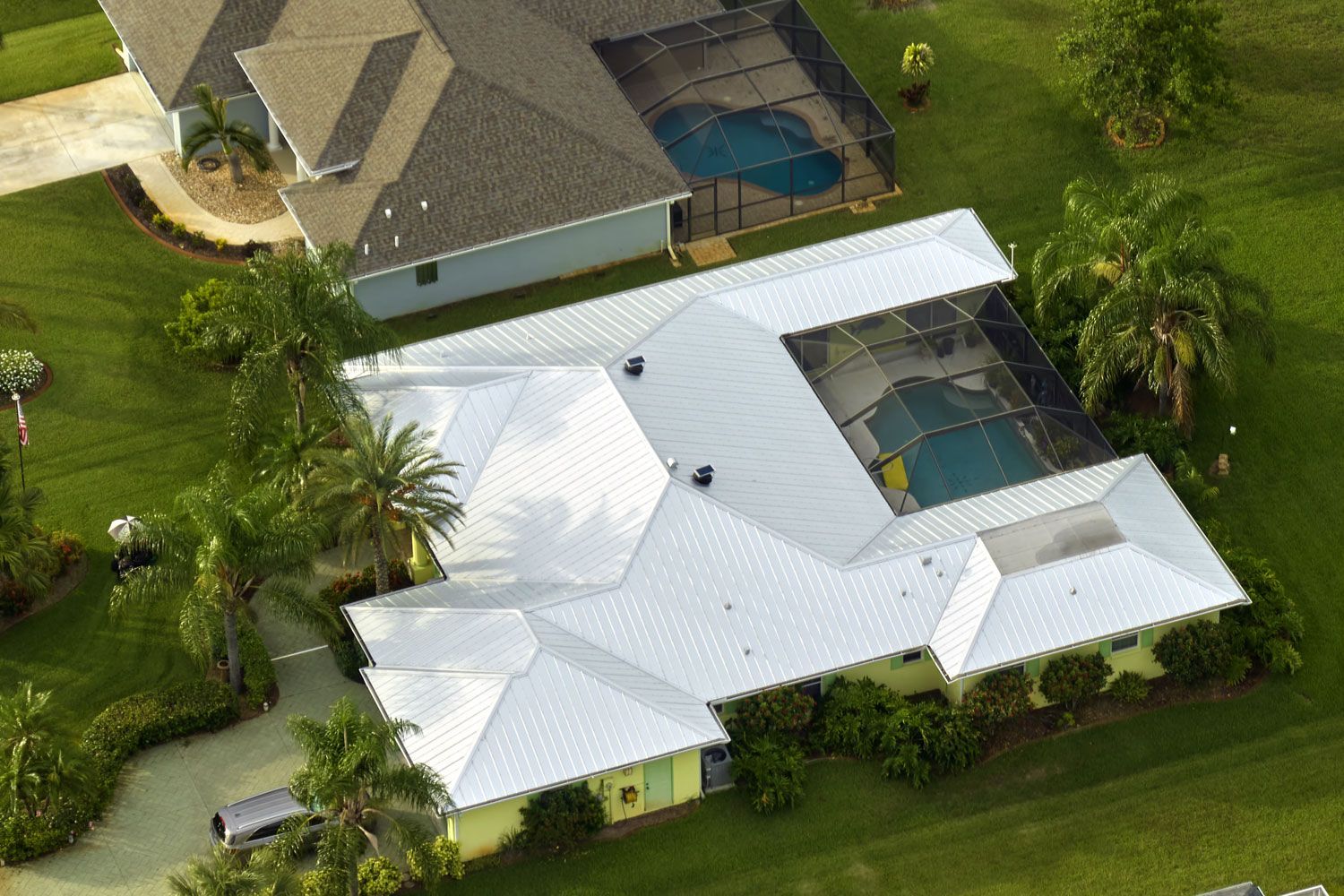
One of the most impactful aspects of custom roofing is the ability to choose materials that align with energy goals. Reflective shingles and metal roofing are designed to limit heat absorption and promote thermal balance. Lighter-colored roofing surfaces, for example, reflect more sunlight and help reduce heat buildup in attic spaces.
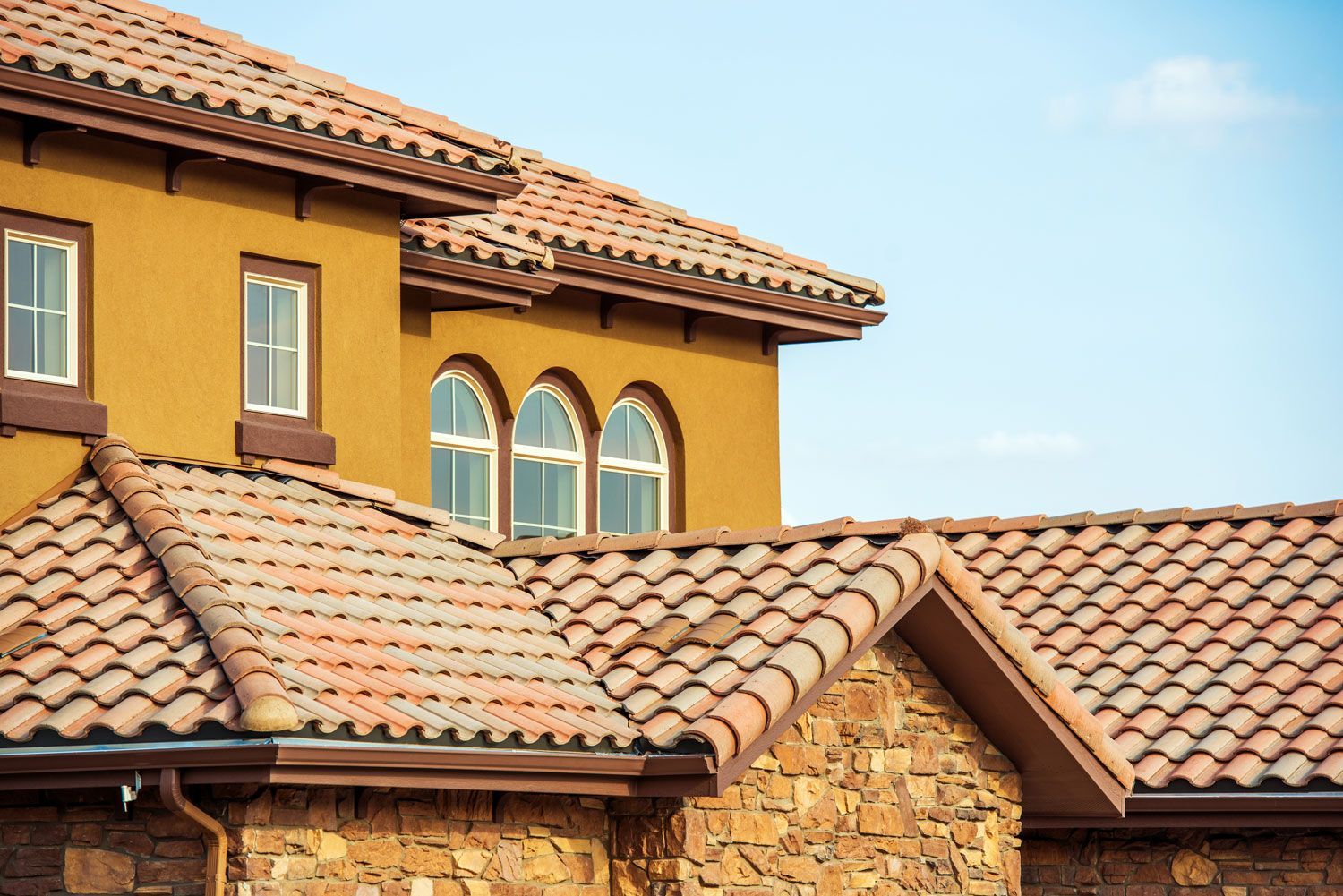
Material selection also affects durability and long-term efficiency. High-quality roofing products maintain their performance characteristics over time, helping homes retain energy benefits without frequent repairs or early replacement. When custom roofing incorporates materials suited to regional weather patterns, it creates a more resilient and energy-aware structure.
Ventilation Design and Airflow Control
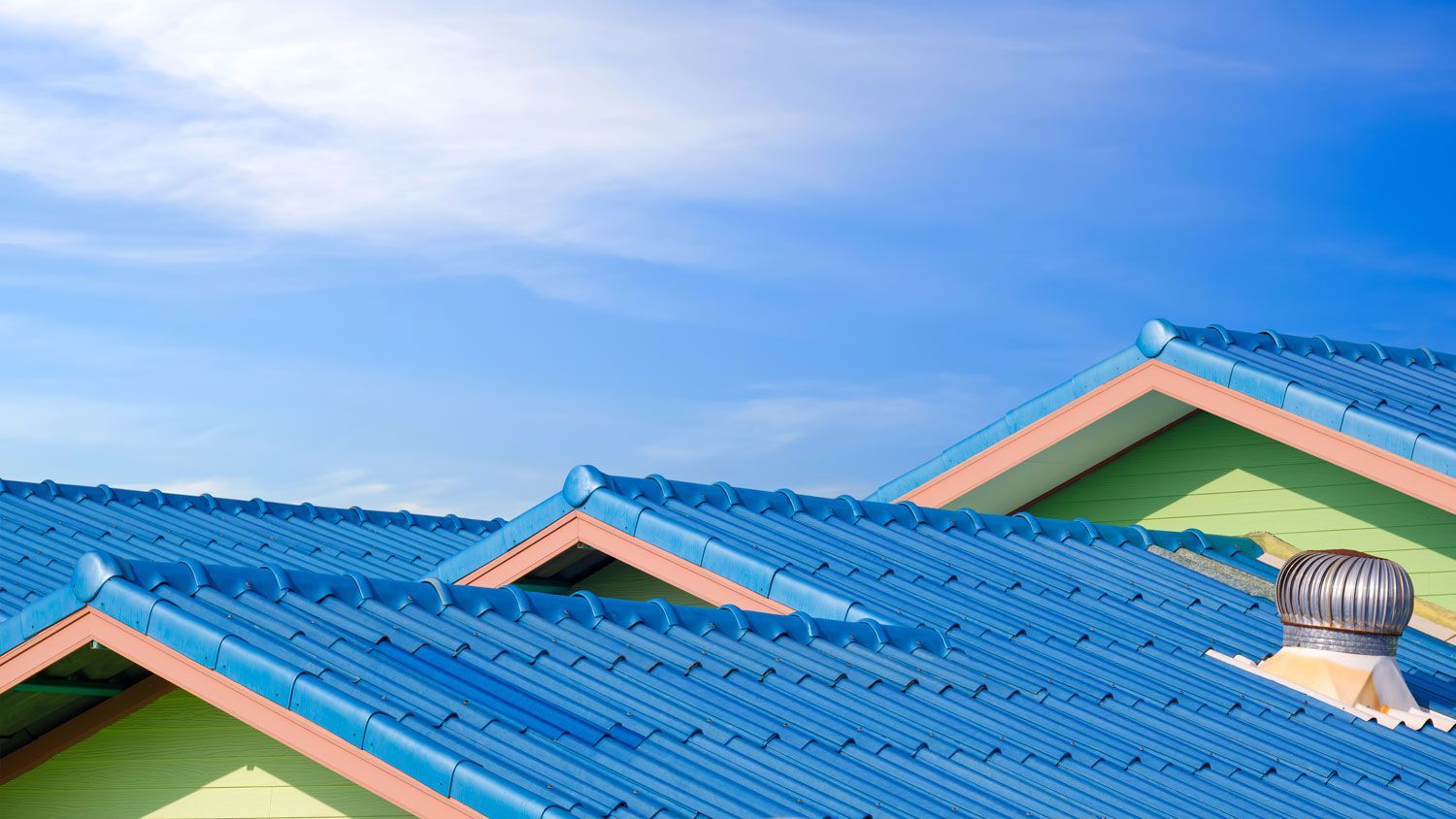
Ventilation plays a critical role in roofing performance, yet it is often overlooked in standard installations. Poor airflow can trap heat and moisture, leading to higher energy use and potential structural concerns. Custom roofing designs allow ventilation systems to be positioned and sized based on the home's layout and roof geometry.
Proper airflow helps regulate attic temperatures and reduces pressure on HVAC systems. Balanced intake and exhaust ventilation supports steady air movement, preventing heat buildup in summer and moisture accumulation in cooler months. Over time, this contributes to better indoor air quality and more predictable energy usage.
Architectural Integration and Home Aesthetics
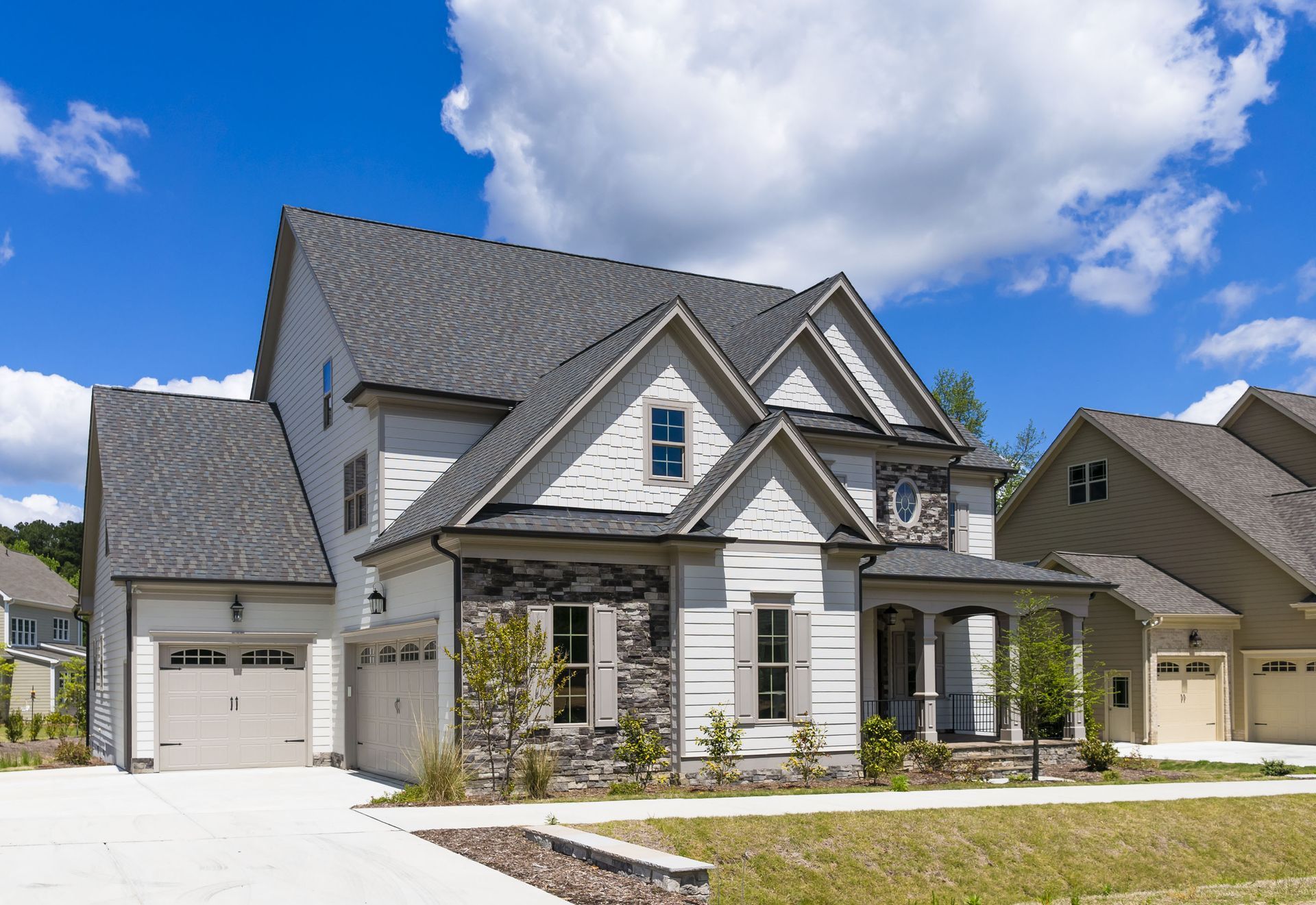
Beyond energy considerations, custom roofing enhances a home's visual identity. Roofing that complements architectural features such as dormers, overhangs, and rooflines creates a cohesive appearance that stands out in the neighborhood. This level of integration is difficult to achieve with off-the-shelf roofing solutions.
Homes with thoughtfully designed roofs often benefit from stronger curb appeal, which plays a significant role in buyer perception. A roof that looks intentional and well-matched to the home's style signals quality construction and attention to detail. These visual cues can influence how buyers assess overall property value before ever stepping inside.
Long-Term Value and Buyer Appeal
Energy efficiency and aesthetics work together to support property value. Buyers increasingly look for homes that combine comfort with lower operating costs, and roofing design contributes to both. Custom roofing systems that highlight energy-conscious features can differentiate a property in competitive markets.
The willingness of homeowners to pay a premium for energy-reducing roofing products reflects broader buyer trends. Energy-aware upgrades are no longer seen as optional extras but as meaningful value drivers. A roof that supports efficient energy use while enhancing exterior appearance can position a home as modern, well-maintained, and future-ready.
Durability and Maintenance Considerations
Custom roofing also allows homeowners to plan for long-term performance rather than short-term fixes. Design choices can account for drainage patterns, wind exposure, and sun orientation, all of which influence wear over time. A roof designed with these factors in mind often experiences fewer issues related to moisture retention or material degradation.
Lower maintenance demands contribute indirectly to energy efficiency and property value. Roofing systems that retain their integrity reduce the likelihood of leaks or insulation issues that compromise thermal performance. Buyers often view low-maintenance features as a sign of reduced ownership costs, making the property more attractive.
If you're considering a roof upgrade or planning a new build, now is the time to explore how custom roofing can align with your energy goals and long-term property plans. Speak with a qualified roofing professional at Evans Roofing to discuss design options that fit your home's needs and elevate its performance for years to come.
Share On: