
Roof Repair vs. Roof Replacement: Which Does Your Home Need?
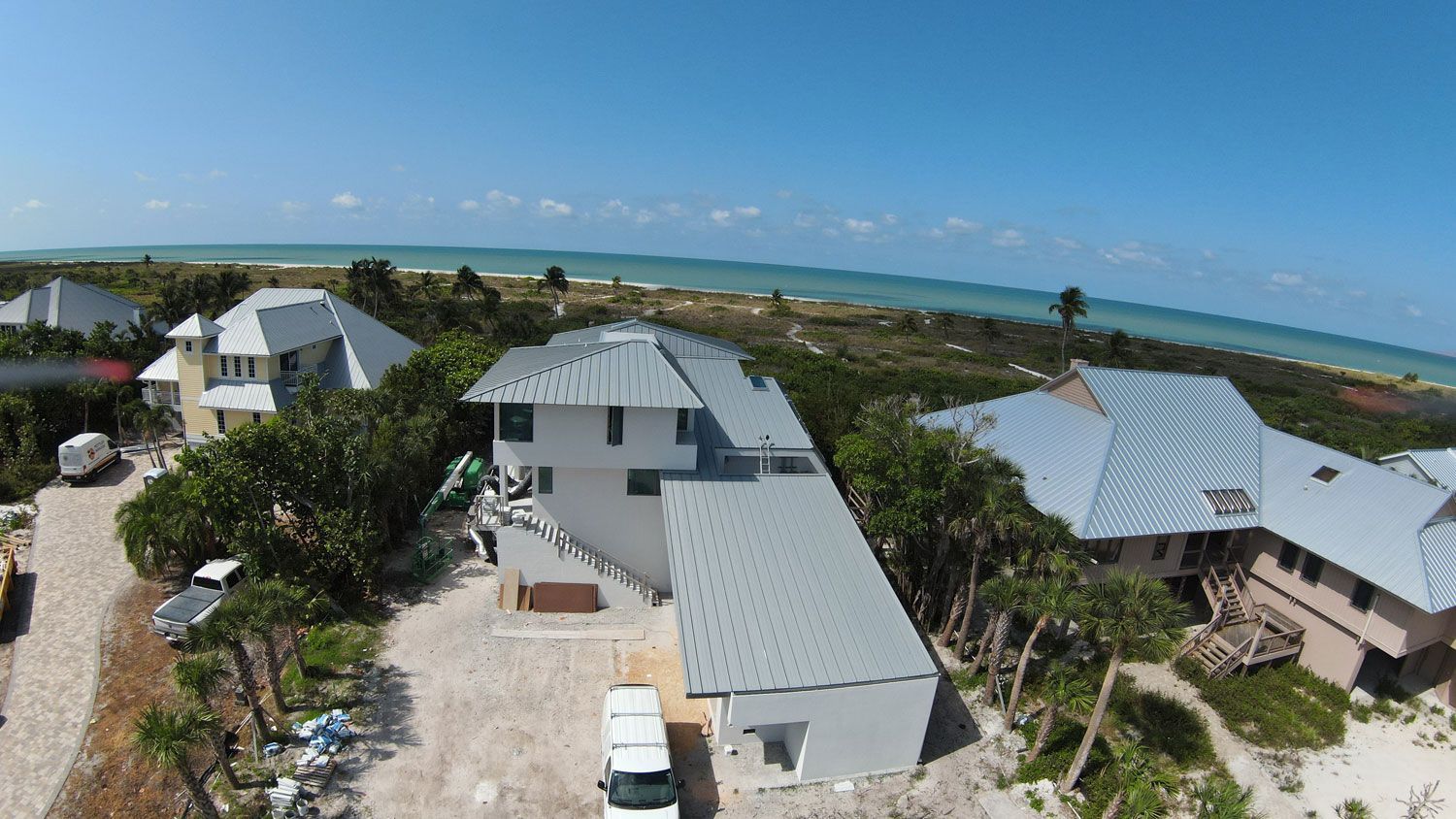
Roof repair is best for minor, localized damage affecting less than 30% of your roof's surface. Roof replacement makes more sense when your roof is nearing the end of its lifespan, has widespread damage, or when repeated repairs are costing more than a full replacement would. Your roofing contractor's inspection will determine which option protects your home best.
A leaking ceiling. Missing shingles after a storm. Water stains creeping across your drywall. These are the moments that force every homeowner to ask the same question: do I need a roof repair or a full roof replacement?
It's not always an easy call. The wrong decision can cost you thousands, either by over-investing in a replacement you didn't need, or by patching a roof that's already past saving. The stakes are especially high in Florida, where intense heat, heavy rainfall, and hurricane-force winds put roofing systems under enormous stress year-round.
This guide breaks down the key differences between roof repair and roof replacement, the signs that point to each, and how to make the right call for your home and budget. Whether you're in Palm Beach, Tampa, Orlando, Miami, or anywhere across Florida, the same core principles apply, though Florida's unique climate does add some important wrinkles worth knowing about.
What Is the Difference Between Roof Repair and Roof Replacement?
Roof repair addresses specific, localized issues on your existing roof. This might mean replacing a handful of damaged shingles, sealing a flashing leak around a chimney, or patching a small section of a flat roof after storm damage. Repairs preserve the bulk of your existing roofing system and are typically completed in a day or less.
Roof replacement, on the other hand, involves removing your existing roofing system entirely and installing a new one from the decking up. This is a larger investment, but it also resets the clock on your roof's lifespan, improves energy efficiency, and significantly boosts your home's curb appeal and resale value.
The decision between the two comes down to a handful of key factors: the age of your roof, the extent of the damage, your long-term plans for the property, and the cost comparison between repeated repairs and a one-time replacement.
How Do You Know If You Need a Roof Repair?
Roof repair is generally the right move when the damage is isolated, your roof is relatively young, and the structural integrity of the overall system remains sound.
Signs that roof repair is likely sufficient:
- Localized damage: A few cracked, missing, or curling shingles in one area of your roof
- Minor leak: A single leak point that can be traced to a specific cause, such as damaged flashing or a cracked vent boot
- Recent storm damage: Wind or debris damage that affected a small section of an otherwise healthy roof
- Roof age: Your roof is less than 15 years old and has been well-maintained
- Less than 30% affected: The damage covers less than a third of the total roof surface
Repairs are cost-effective in these scenarios and can extend your roof's life by several years without the expense of full replacement. For homeowners in areas like Fort Lauderdale, Cape Coral, or Naples, where storm season can cause sudden, localized damage, a timely repair can prevent far more costly problems down the line.
How Do You Know If You Need a Roof Replacement?
Roof replacement becomes the smarter investment when your roof is aging, damage is widespread, or the cumulative cost of repairs is climbing toward replacement territory.
Signs that roof replacement is likely necessary:
- Age: Asphalt shingle roofs typically last 20-25 years; tile roofs can last 40-50 years; metal roofs 40-70 years. If your roof is approaching or past these thresholds, replacement is worth considering seriously.
- Widespread damage: Damage spanning multiple sections of the roof, or issues with the underlying decking or structure
- Recurring leaks: If you've repaired the same area more than once and leaks keep returning, the system as a whole may be failing
- Sagging or structural compromise: Any visible sagging in the roofline or decking is a serious warning sign that replacement is urgent
- Granule loss on shingles: Heavy granule buildup in your gutters signals that asphalt shingles are nearing the end of their effective life
- Energy bills rising: A roof losing its thermal efficiency can noticeably increase your cooling costs, a significant concern in Florida's heat
- Mold or moisture damage: Widespread moisture infiltration into the decking or attic often means a full replacement is necessary to address the root cause
For Florida homeowners specifically, a roof that has been through multiple hurricane seasons without replacement may have accumulated more damage than is visible to the untrained eye. A professional inspection is essential before making any assumptions.
The 50% Rule: A Simple Framework for Decision-Making
One widely used guideline in the roofing industry is the 50% rule: if the cost of repairs exceeds 50% of the cost of a full roof replacement, replacement is generally the better financial decision. This rule isn't universal, your roof's age and overall condition matter too, but it provides a useful starting point when comparing estimates.
For example, if a full roof replacement on your home is quoted at $15,000, and your repair estimate comes in at $8,000 or more, the replacement option often delivers better long-term value. You get a new roof warranty, improved performance, and the peace of mind that comes with a fresh installation.
Does Florida's Climate Affect This Decision?
Florida's climate is one of the harshest in the country for roofing systems. The combination of intense UV exposure, high humidity, heavy seasonal rainfall, and the annual threat of hurricanes means Florida roofs often degrade faster than those in milder climates.
Here's what that means in practice:
- UV damage accelerates the aging of asphalt shingles and can degrade roofing membranes on flat roofs
- Hurricane-force winds can cause sudden, widespread damage that may push a borderline roof from "needs repair" to "needs replacement" in a single storm event
- Heat and humidity create conditions favorable to mold, algae growth, and moisture infiltration, all of which can compromise roofing materials faster than expected
This is why homeowners across South Florida, the Palm Beaches, Broward, Miami-Dade, Tampa, Sarasota, and Southwest Florida should schedule regular roof inspections, ideally before and after hurricane season, rather than waiting for visible problems to appear.
What Types of Roofing Systems Are Available for Florida Homes?
If a replacement is the right call, you'll also need to choose the right roofing system for your home and Florida's climate. Each material has its own performance characteristics, lifespan, and cost profile.
Tile Roofing
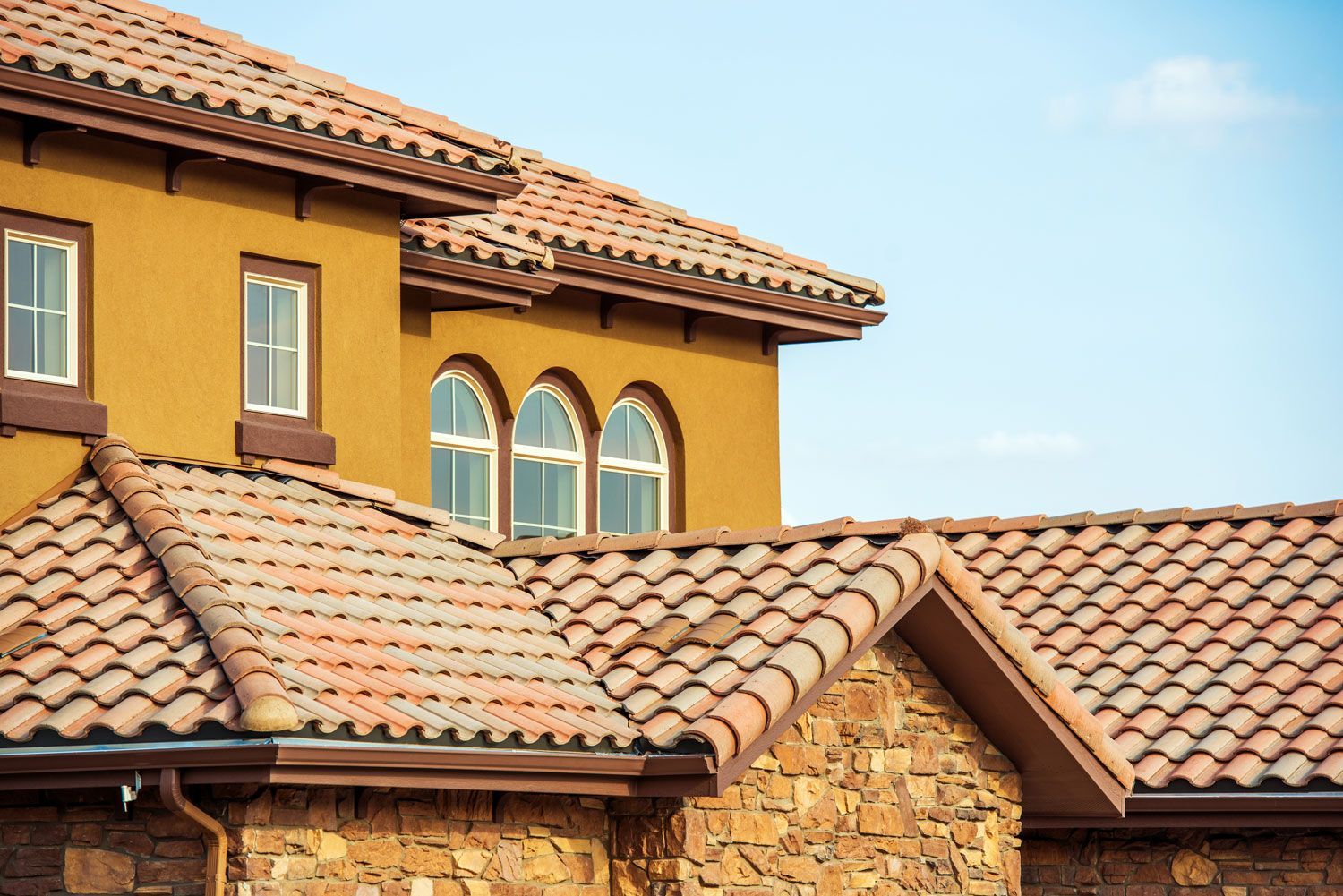
Concrete and clay tile roofs are extremely popular across Florida, particularly in South Florida and the Palm Beaches. They're highly durable, resistant to wind and fire, and can last 40-50 years with proper maintenance. Tile is an excellent long-term investment for Florida homeowners who plan to stay in their home for decades.
Metal Roofing
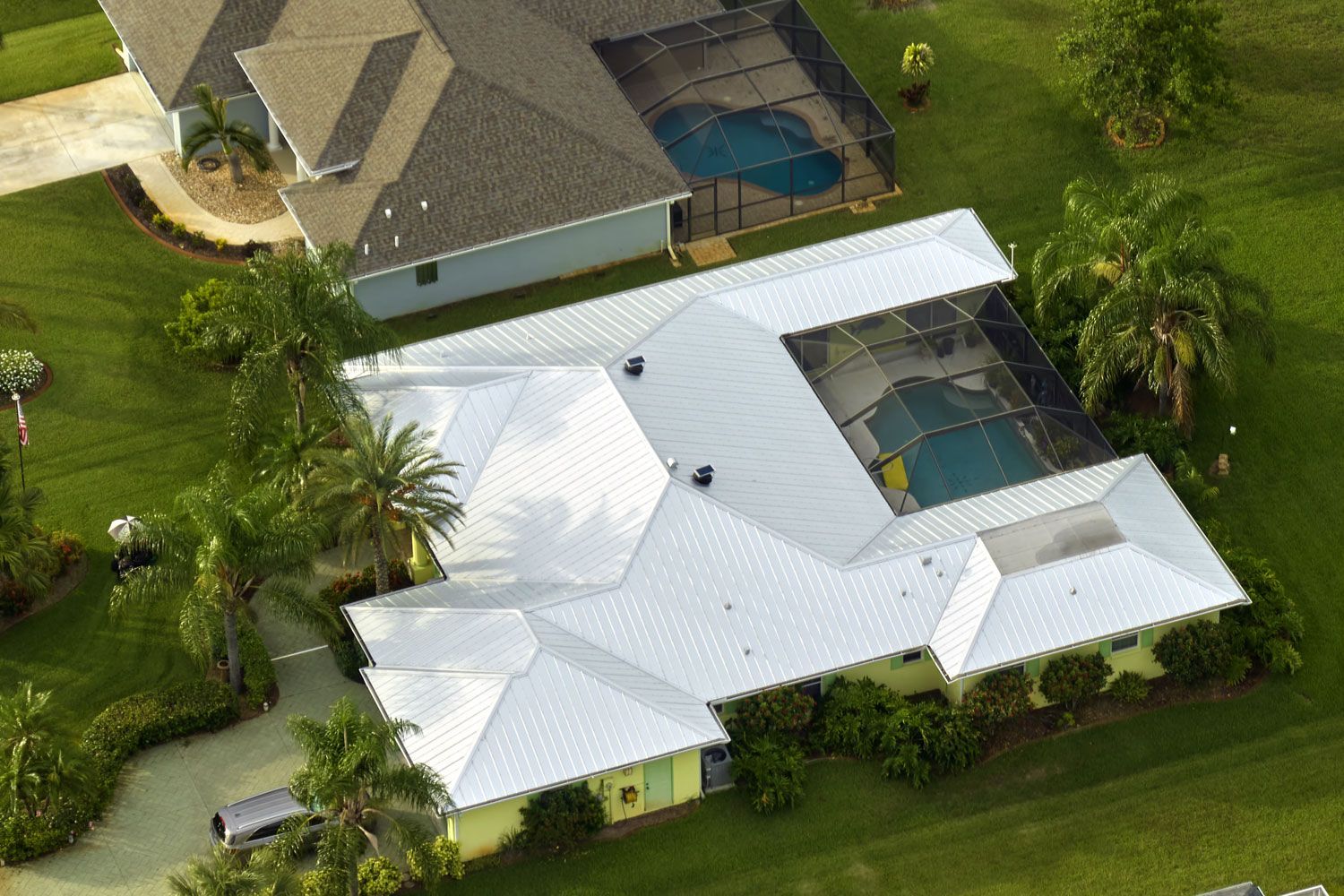
Metal roofing systems offer outstanding longevity (40-70 years), exceptional wind resistance, and superior energy efficiency in hot climates. Metal roofs reflect heat rather than absorbing it, which can meaningfully reduce air conditioning costs in Florida summers. They're an increasingly popular choice for both residential and commercial properties.
Asphalt Shingle Roofing
Shingle roofs are the most common and most affordable roofing option. Modern architectural shingles offer improved durability and wind resistance compared to older three-tab varieties. Shingle roofs are a practical, cost-effective solution for homeowners looking to balance performance and budget.
Flat Roofing Systems (TPO, Asphalt, Single-Ply)
Flat and low-slope roofing systems are standard for commercial properties and some residential applications. TPO (thermoplastic polyolefin) and single-ply membranes are energy-efficient and durable options designed to handle Florida's heat and rain effectively.
What Does a Professional Roof Inspection Involve?
Before any repair or replacement work begins, a thorough professional inspection is the essential first step. A qualified roofing contractor will assess:
- The condition and age of your current roofing materials
- The integrity of the underlying decking and structural components
- Flashing around chimneys, vents, skylights, and edges
- Signs of moisture infiltration, mold, or rot
- Evidence of past repairs and how well they've held up
At Evans Roofing, licensed estimators provide clear, honest assessments with transparent pricing so homeowners understand exactly what they're facing before any work begins. There's no pressure and no guesswork, just a straightforward evaluation of your roof's condition and your best options going forward.
How Much Does Roof Repair vs. Roof Replacement Cost in Florida?
Costs vary widely based on the size of your home, the roofing material, the extent of the damage, and your location within Florida. That said, here are general ballpark ranges to help frame your expectations:
- Roof repairs: Minor repairs typically range from a few hundred dollars for simple patch work to a few thousand for more extensive section repairs
- Roof replacement: Full residential roof replacements in Florida generally range from $10,000 to $30,000 or more, depending on roof size, pitch, and material choice
Financing options can make roof replacement more accessible for homeowners who need a new roof but aren't in a position to cover the full cost upfront. Evans Roofing offers financing options to help Florida homeowners protect their custom homes roofing without financial strain.
Making the Right Call for Your Home
The repair vs. replacement decision is rarely black and white, but it doesn't have to be stressful. A few practical questions can help clarify your thinking:
- How old is my roof? If it's within 5 years of its expected lifespan, replacement often makes more financial sense than investing in repairs.
- How extensive is the damage? Localized issues favor repair; widespread damage favors replacement.
- How long do I plan to stay in this home? A replacement adds immediate resale value and long-term protection; repairs may suffice if you're selling soon.
- What have I spent on repairs recently? Frequent repairs are a signal that the roof as a system is failing.
- Has a licensed contractor inspected it? Visual assessments from the ground can miss significant issues. A professional inspection is non-negotiable before making this decision.
Get a Free Roof Assessment from Evans Roofing
Evans Roofing has been helping Florida homeowners make confident roofing decisions since 1986. With over 40 years of experience serving communities from Fort Lauderdale and Miami to Palm Beach, Tampa, Orlando, Sarasota, Fort Myers, Naples, Cape Coral, and beyond, the Evans Roofing team understands Florida roofs, and the unique demands Florida's climate places on them.
Whether you need a quick repair after a storm or a complete roof replacement with a new tile, metal, or shingle system, Evans Roofing provides honest assessments, quality workmanship, and warranties on every job.
Contact Evans Roofing today for a free quote. Protecting your home starts with knowing exactly what your roof needs, and that starts with a call.
Frequently Asked Questions About Roof Repair vs. Roof Replacement
How do I know if I need a roof repair or a full roof replacement?
The key factors are the age of your roof, the extent of the damage, and cost comparison. If damage is localized and your roof is less than 15-20 years old, repair is often sufficient. If damage is widespread, your roof is aging, or repair costs exceed 50% of replacement costs, a full replacement is usually the better investment.
How long does a roof repair take compared to a roof replacement in Florida?
Most
roof repairs are completed within a day. Full roof replacements typically take two to five days depending on the size of the home, the roofing material, and weather conditions.
Does homeowner's insurance cover roof repair or replacement in Florida?
Florida homeowner's insurance policies often cover roof damage caused by sudden events like hurricanes or storms, but coverage depends on your specific policy, the age of your roof, and the cause of the damage. It's worth contacting your insurance provider and having a licensed roofing contractor document the damage before filing a claim.
What roofing material lasts the longest in Florida's climate?
Metal and tile roofing systems offer the longest lifespans in Florida, typically 40 to 70 years for metal and 40 to 50 years for tile. Both materials handle Florida's heat, UV exposure, and hurricane winds well. Asphalt shingles are more affordable but have a shorter lifespan of 20 to 25 years in Florida's demanding climate.
How often should Florida homeowners have their roofs inspected?
Florida homeowners should schedule a professional roof inspection at least once a year, and ideally before and after hurricane season. Regular inspections catch small problems early, before they become expensive repairs or require full replacement.
Can I repair just part of my roof, or does it need to match exactly?
Partial repairs are possible and often practical. However, matching older roofing materials, especially shingles, can be challenging as color and texture may differ from your existing roof. A licensed roofing contractor can advise on the best approach for a clean, consistent result.
Does Evans Roofing offer warranties on repairs and replacements?
Yes. Evans Roofing provides warranties on all jobs, covering both materials and workmanship. This applies to
roof repairs, full replacements, and new installations across all roofing systems and locations throughout Florida.
Share On: