
7 Warning Signs You Need Roof Repair Before Storm Season
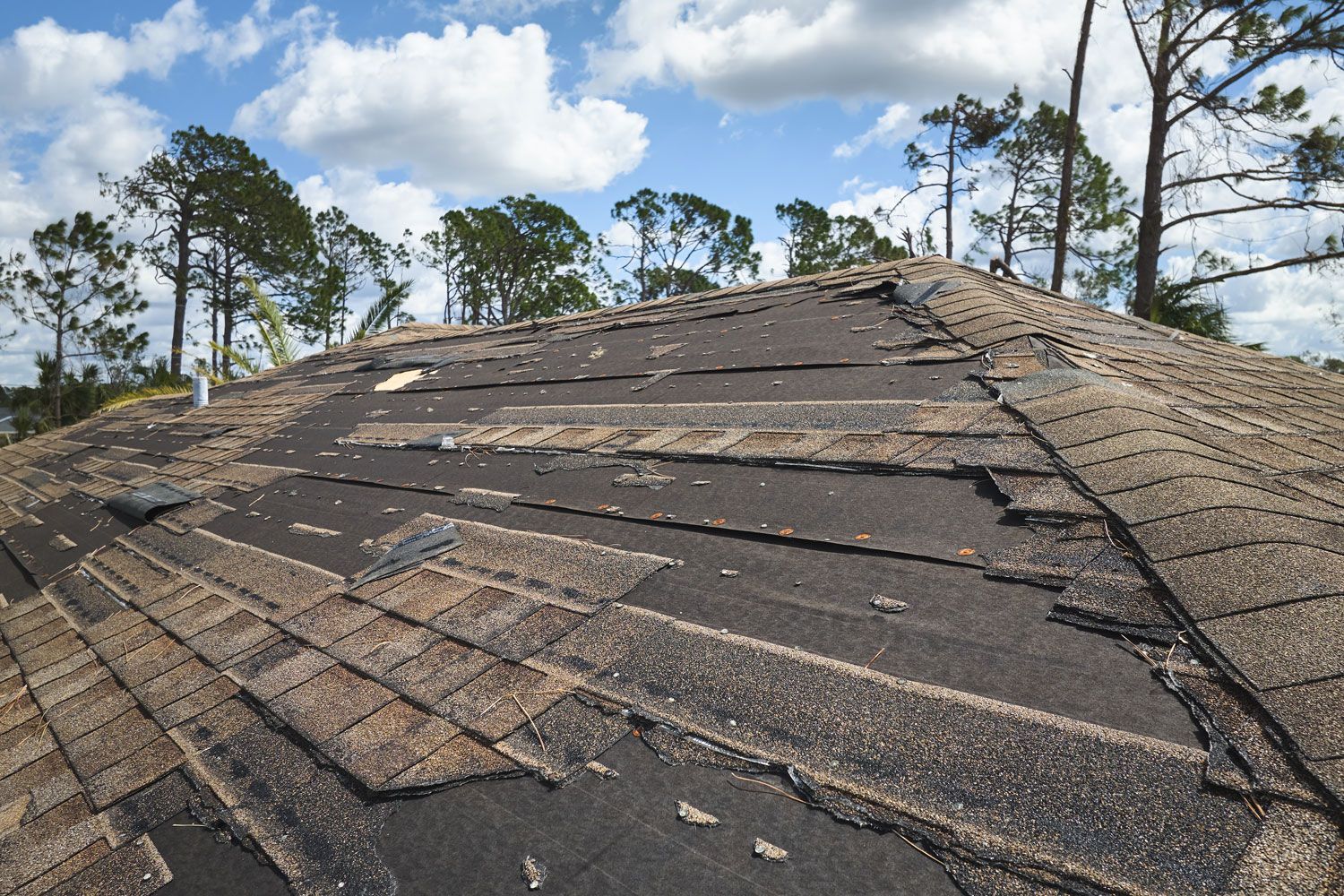
The seven most common warning signs that your Florida roof needs repair before storm season include missing or damaged shingles, water stains on ceilings, sagging roof sections, granule loss in gutters, damaged flashing, higher energy bills, and visible daylight through roof boards. Addressing these issues early can prevent costly storm damage and structural failures.
The Florida storm season is not forgiving. From June through November, the state faces some of the most intense weather conditions in the country, including heavy rainfall, tropical storms, and hurricanes with winds that can exceed 150 mph. For homeowners and business owners across the state, that window between late spring and early summer is critical. It is the time to inspect, repair, and reinforce your roof before the next storm tests it.
The challenge is knowing what to look for. Roofs deteriorate gradually, and the early signs of damage are easy to miss or dismiss. A small leak, a few displaced shingles, or a patch of discoloration on your ceiling might not feel urgent in January. But those same issues can turn into catastrophic failures when a Category 3 hurricane rolls through in August.
At Evans Roofing, Florida's trusted roofing contractor since 1986, the team has seen firsthand how minor, unaddressed roof problems become major disasters the moment a storm hits. This guide walks you through the seven warning signs that your roof needs attention before storm season arrives, and what to do about each one.
Warning Sign #1: Missing, Cracked, or Curling Shingles
Shingles are your roof's first line of defense. When they are missing, cracked, or beginning to curl at the edges, your roof's ability to shed water and withstand wind pressure is significantly compromised. Florida's intense UV exposure and heat cycles accelerate shingle deterioration faster than in most other states, so even a relatively young roof can show premature wear.
Look for shingles that appear raised, buckled, or out of alignment. Any bare patches where shingles are missing entirely need immediate attention. During a storm, wind can get beneath loose shingles and peel them back, exposing the underlayment or deck below. Once that layer is breached, water infiltration becomes nearly inevitable.
If you have a shingle roof, Evans Roofing's residential roofing and shingle roofing services can assess the extent of the damage and determine whether targeted repairs or a full replacement is the right course of action.
Warning Sign #2: Water Stains or Leaks Inside Your Home
Water stains on your ceiling or interior walls are a reliable indicator that your roof has already been breached somewhere. These stains often appear as discolored patches, brown rings, or bubbling paint. Many homeowners assume the stain is old and inactive, but moisture inside a wall or ceiling cavity continues to spread and promote mold growth even when rain is not actively falling.
Leaks are particularly dangerous in Florida because they can compromise insulation, drywall, and structural framing. By the time a stain becomes visible, water may have been penetrating the roof for weeks or months. Before storm season amplifies the problem, have a professional assess both the source and the extent of the water intrusion. Evans Roofing's repairs and maintenance team provides comprehensive leak detection and repair services across all of Florida.
Warning Sign #3: Sagging or Uneven Roof Sections
A healthy roof should present a clean, straight roofline from every angle. If you notice sections that appear to bow inward, dip, or sag, this is a serious structural warning sign. Sagging typically points to one of three problems: deteriorated decking, compromised rafters, or prolonged moisture damage that has weakened the structural components beneath the surface.
Sagging sections have little resistance to the load imposed by heavy rain, wind pressure, or flying debris during a storm. Left unaddressed, they can lead to partial or full roof collapse. This is not a repair to delay. Contact a licensed roofing contractor immediately for an assessment. Evans Roofing serves homeowners and businesses across Broward and Miami-Dade, Palm Beach, Orlando, Tampa, Fort Myers, and Sarasota.
Warning Sign #4: Granule Loss and Gutter Buildup
Asphalt shingles are coated with granules that protect the underlying material from UV rays and add fire resistance. Over time, these granules wear away. You will typically notice the evidence in your gutters, which may collect dark, sandy-looking debris after rainstorms.
The table below summarizes what different levels of granule loss indicate:
| Granule Loss Level | What It Means | Recommended Action |
|---|---|---|
| Light (minor gutter buildup) | Normal aging, early wear | Schedule inspection within 6 months |
| Moderate (visible bare patches on shingles) | Accelerated wear or storm damage | Repairs or partial replacement needed |
| Severe (large bald spots, gutters heavily clogged) | End of shingle life, active vulnerability | Full roof replacement recommended |
Granule loss exposes shingles to heat and UV damage at an accelerated rate. Once the granule coating is significantly depleted, shingles become brittle and crack more easily under storm conditions. If your gutters are filling with granules before storm season, it is time to consult a roofing professional.
Warning Sign #5: Damaged or Deteriorating Flashing
Flashing is the metal material installed at roof joints, around chimneys, skylights, vents, and where the roof meets vertical walls. Its job is to create a watertight seal at every vulnerable transition point on your roof. When flashing cracks, lifts, rusts, or pulls away from its seating, it creates direct pathways for water to enter.
Flashing failures are one of the most common causes of roof leaks in Florida, yet they are frequently overlooked during casual visual inspections because the damage is often subtle. During your pre-storm inspection, check that all flashing lies flat against the surface, shows no signs of rust or corrosion, and that sealants around it are intact. Even small gaps in flashing become major entry points during a sustained rainstorm.
Prompt flashing repair is one of the most cost-effective ways to extend the life of your roof and protect against water damage. Evans Roofing's skilled estimators will identify flashing issues during a free quote assessment and provide honest pricing before any work begins.
Warning Sign #6: Unexplained Increases in Energy Bills
Your roof plays a significant role in your home's thermal performance. When roofing materials degrade, gaps form, or insulation becomes moisture-damaged, your HVAC system works harder to maintain comfortable indoor temperatures. In Florida's climate, where air conditioning runs year-round, that added workload translates directly into higher monthly energy bills.
Key factors that connect roof condition to energy efficiency include:
- Compromised attic ventilation, which traps heat and forces cooling systems to run longer
- Moisture-damaged insulation, which loses its R-value and becomes ineffective
- Gaps or cracks in roofing materials, which allow conditioned air to escape
- Aging flat roofs, which absorb more radiant heat when reflective coatings wear away
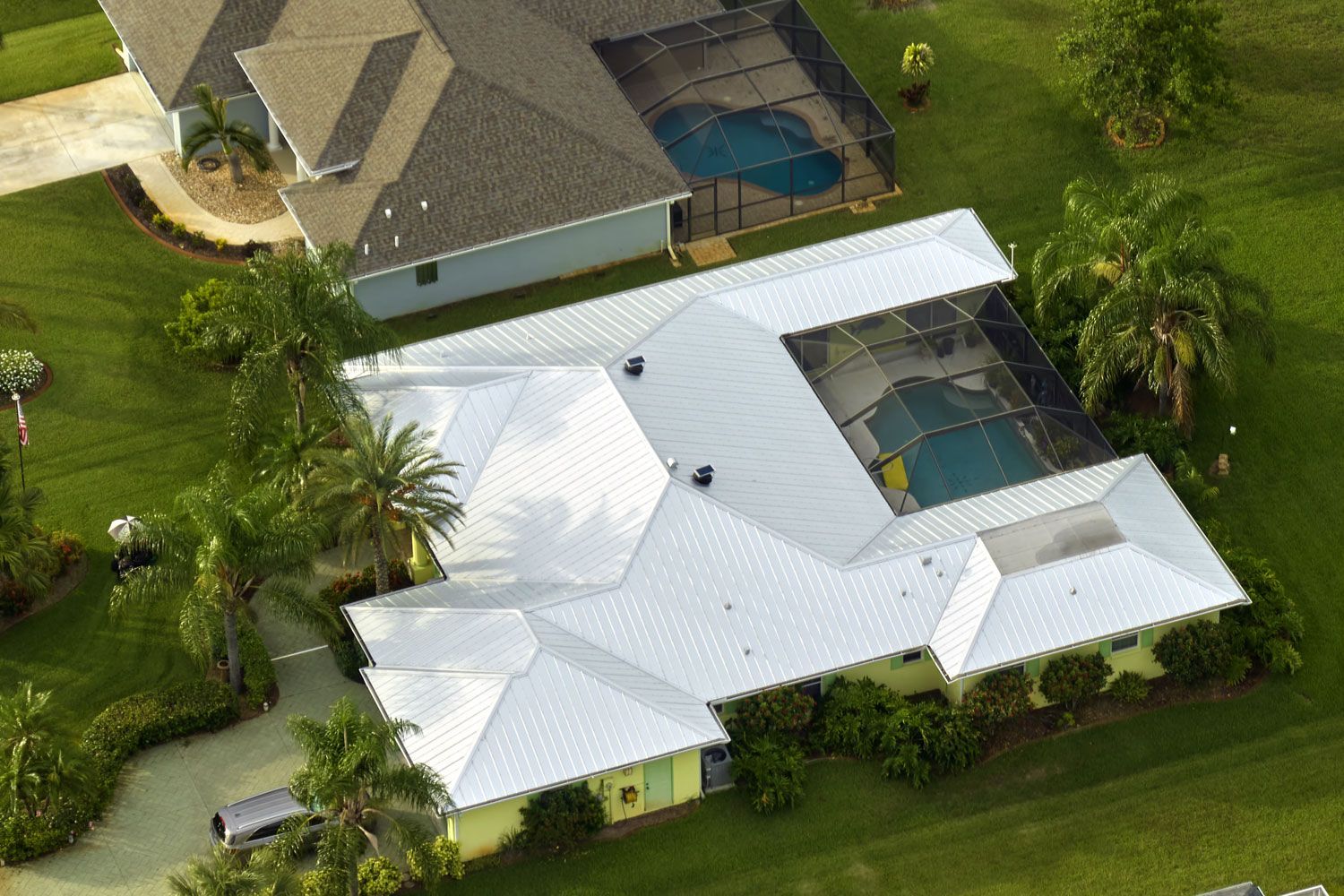
A roof that is costing you extra money on utilities every month is worth inspecting before storm season compounds the underlying problem. Upgrading to a more energy-efficient roofing system, such as a metal roof or a reflective flat roof system, can lower both your vulnerability to storm damage and your long-term energy costs.
Warning Sign #7: Visible Daylight Through the Roof Boards
This one is unambiguous. If you enter your attic during the day and can see pinpoints of natural light coming through the roof boards, your roof has gaps or holes. Any opening large enough to let light in is large enough to let water in. During a Florida storm, those openings can allow significant water intrusion in a matter of minutes.
While you are in the attic, also look for:
- Dark streaks or staining on wood surfaces, which indicate previous or ongoing moisture exposure
- Soft or spongy areas when you press on the decking, which suggest rot or structural weakening
- Accumulation of debris, which can indicate openings that are funneling material inside
- Frost or condensation during cooler months, which points to ventilation failures
Visible daylight through roof boards is a clear indicator that repairs cannot wait. Whether your property requires targeted patching or a complete reroofing, Evans Roofing's licensed contractors can provide a fast, reliable assessment and a clear plan of action. Learn more about available roof repair and maintenance options or explore related resources on how to choose your roofing material.
What Happens If You Ignore These Warning Signs?
The cost difference between proactive roof repair and post-storm emergency restoration is substantial. Repairs addressed before storm season tend to be targeted, manageable, and covered by existing warranties. Repairs made after storm damage often involve water-soaked insulation, mold remediation, structural repairs, and insurance claims that may not fully cover the total cost.
Florida's building codes also have implications here. Under the state's 25% rule, if repair or replacement work exceeds 25% of the total roof area, the entire roof must be brought up to current code standards. Understanding this threshold before you schedule work can help you plan more cost-effectively. You can read more about this rule in Evans Roofing's detailed breakdown of the 25% rule in Florida roofing.
Additionally, proactive roof maintenance and a well-documented inspection history can positively impact your homeowner's insurance premiums. A newer, code-compliant roof can reduce your policy costs significantly. Evans Roofing has published a helpful resource on how a new roof in Florida can lower your home insurance costs for property owners who want to understand the full financial picture.
Get Your Roof Inspected Before Storm Season Hits
Catching the signs early and acting on them is the most effective way to protect your property. Evans Roofing offers free quotes, honest pricing from skilled estimators, financing options, and warranty coverage on all work completed. With six locations across Florida and over 40 years of experience, the team is equipped to handle everything from minor repairs to full commercial and residential roof replacements.
To schedule your pre-storm inspection, request a free quote or visit your nearest Evans Roofing location to speak with a local roofing expert. Do not wait until the first storm of the season reveals a problem your roof has been hiding for months.
Frequently Asked Questions
How often should I have my roof inspected in Florida before storm season?
Evans Roofing recommends scheduling a professional roof inspection at least once per year, ideally in the spring before storm season begins. Properties that have experienced recent weather events, hail, or that have roofs older than 10 years may benefit from semi-annual inspections to catch deterioration early.
What are the most common causes of roof damage during Florida hurricanes?
The most common causes of hurricane-related roof damage in Florida include wind uplift on loose or aging shingles, flashing failures at roof transitions, debris impact from flying objects, and water infiltration through compromised seals. Roofs that have not been maintained or inspected regularly are significantly more vulnerable to all of these failure types.
Is it better to repair or replace my roof before storm season?
The answer depends on the age of your roof, the extent of existing damage, and how much of the roof surface is affected. Roofs that are less than 15 years old with localized damage are often good candidates for repair. Older roofs with widespread deterioration, or those where repairs would exceed 25% of the total surface area, typically warrant full replacement. A licensed Evans Roofing estimator can provide a clear, honest recommendation based on your specific situation.
Does Evans Roofing offer financing for roof repairs or replacements?
Yes. Evans Roofing offers financing options to help homeowners and business owners manage the cost of roofing projects without delaying necessary repairs. Flexible payment plans are available for both residential and commercial projects across all Evans Roofing service locations in Florida.
How do I know if my roof qualifies for insurance coverage after storm damage?
Insurance coverage for roof damage depends on your policy terms, the cause of damage, and the age and condition of your roof at the time of the event. Evans Roofing can assist with roof mitigation documentation and inspections that support insurance claims. Contact your nearest Evans Roofing branch for guidance specific to your property and location.
Share On: