
How Long Does a Roof Last in Florida? Signs It's Time for a Replacement
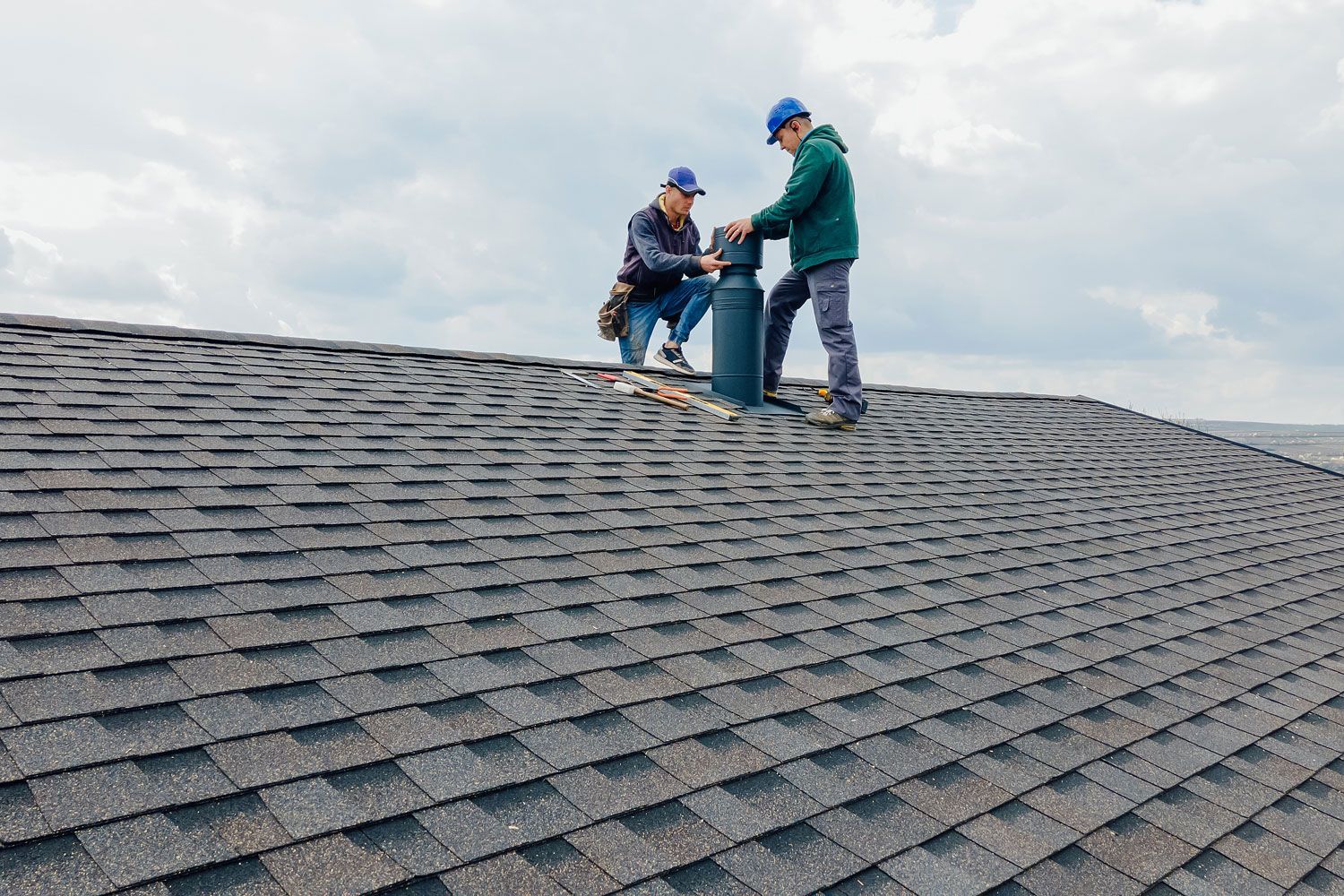
Most roofs in Florida last between 15 and 50 years, depending on the material. Asphalt shingles typically last 15 to 20 years, metal roofs 40 to 70 years, and tile or slate roofs can last 50 years or more. Florida's intense sun, heavy rain, and hurricanes shorten these lifespans, so watch for leaks, missing shingles, and granule loss as signs you may need a replacement.
Living in Florida comes with sunshine, beautiful coastlines, and a climate that puts your roof to the test every single day. Between the blazing sun, summer downpours, and the threat of hurricanes, roofs in the Sunshine State work harder than almost anywhere else in the country. That hard work means they don't last forever.
If you've ever wondered how long your roof should hold up, or whether those small signs of wear are something to worry about, you're in the right place. In this guide, we'll walk you through how long different roofing materials last in Florida, the warning signs that point to a replacement, and what you can do to get more years out of your roof.
At Evans Roofing, we've been helping Florida homeowners and businesses protect their properties since 1986. With over 40 years of experience, our team knows exactly what Florida weather does to a roof and how to keep yours standing strong. Let's get into it.
How Long Does a Roof Last in Florida by Material?
The lifespan of your roof depends heavily on the material you choose. Some materials handle Florida's heat and humidity better than others, and that difference can mean decades of extra protection. Here's a clear breakdown of what to expect from the most common roofing systems.
| Roofing Material | Expected Lifespan in Florida | Best For |
|---|---|---|
| Asphalt Shingles | 15 to 20 years | Budget-friendly residential homes |
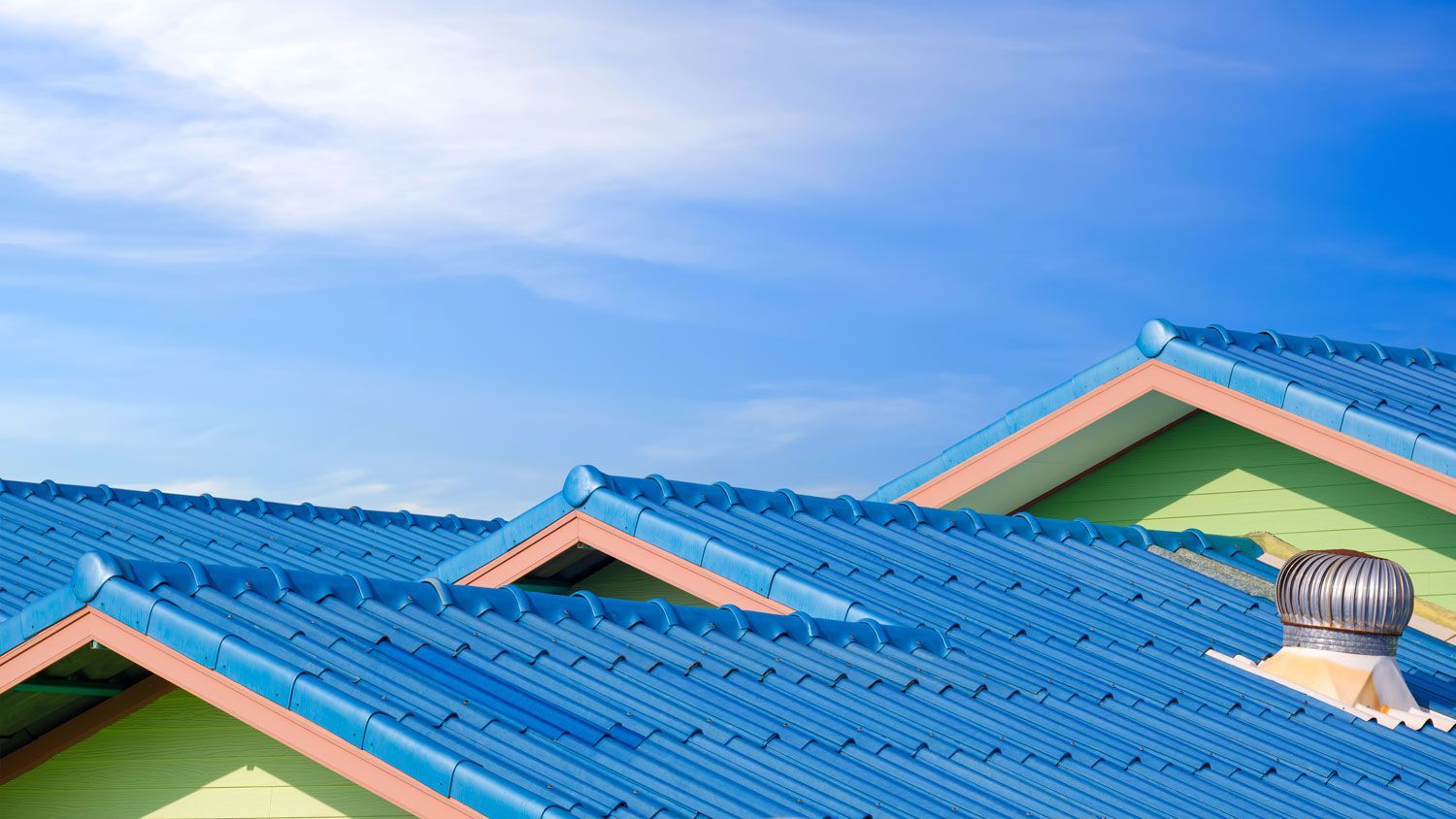
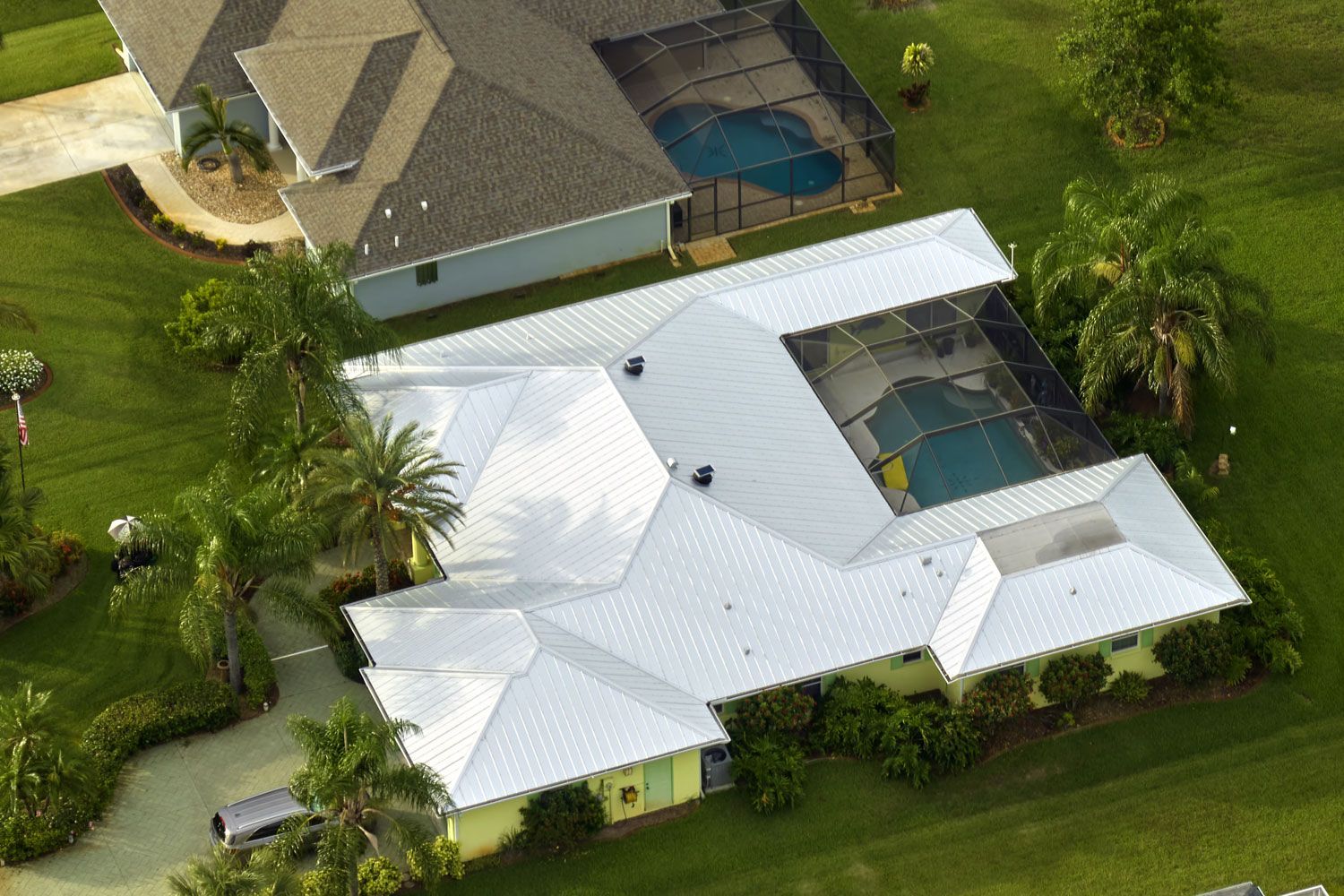
| Metal Roofing | 40 to 70 years | Long-term value and energy efficiency |
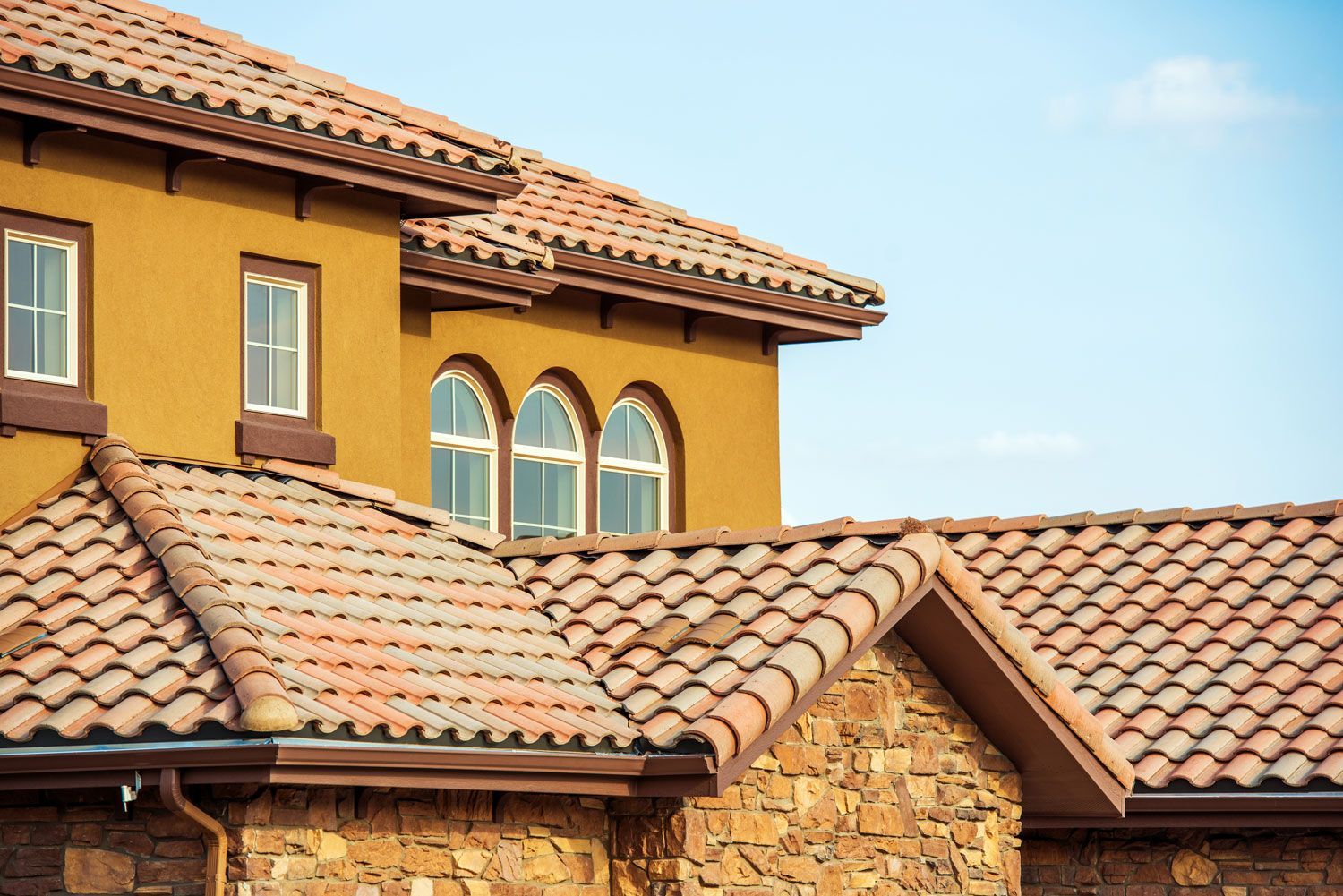
| Concrete or Clay Tile | 40 to 50+ years | Durability and curb appeal |
| Slate | 75 to 100+ years | Historic and luxury homes |
| TPO Flat Roofing | 20 to 30 years | Commercial and flat-roof properties |
Keep in mind that these numbers reflect roofs that are properly installed and well maintained. A neglected roof, or one installed poorly, will wear out far sooner. If you want help comparing options, our team can walk you through the pros and cons of tile roofs, metal roofs, and shingle roofs so you pick the right fit for your home and budget.
Why Do Roofs Wear Out Faster in Florida?
Florida's climate is one of the toughest on roofing materials in the entire country. Understanding why helps explain why regular inspections matter so much here.
Here are the main factors that shorten a roof's life in Florida:
- Intense UV exposure. Year-round sun bakes roofing materials, causing shingles to crack, curl, and fade over time.
- Heavy rainfall. Frequent storms test your roof's waterproofing and can expose weak spots quickly.
- High humidity. Moisture encourages algae, mold, and rot, especially on shaded sections of the roof.
- Hurricanes and high winds. Strong storms can lift shingles, loosen tiles, and cause sudden, serious damage.
- Salt air. Homes near the coast face extra corrosion, particularly on metal components.
Because of these conditions, even a high-quality roof needs routine care. Scheduling regular repairs and maintenance is one of the smartest ways to add years to your roof and avoid costly surprises.
What Are the Signs It's Time for a Roof Replacement?
Your roof usually gives you warning signs long before it fails completely. Catching these early can save you from water damage, mold, and expensive emergency repairs. Here are the most common signs that it may be time to replace your roof.
Your Roof Is Reaching the End of Its Lifespan
Age alone is a strong indicator. If your asphalt shingle roof is pushing 20 years, or your tile roof is approaching the 50-year mark, it's wise to have it inspected. An aging roof can look fine from the ground while hiding serious wear underneath.
You Notice Leaks or Water Stains
Water stains on your ceiling or walls are a clear red flag. Leaks often start small and grow quickly, leading to rot, mold, and damage to your home's structure. If you spot daylight coming through your attic or feel dampness after a storm, act fast.
Shingles Are Missing, Cracked, or Curling
Damaged shingles leave your roof exposed to the elements. Look for shingles that are missing, lifting at the edges, or cracking in the sun. After a major storm, it's always worth checking for displaced or torn shingles.
You Find Granules in Your Gutters
As asphalt shingles age, they shed the protective granules that coat their surface. If you notice a buildup of sandy granules in your gutters or downspouts, your shingles are wearing thin and losing their ability to protect your home.
Your Roof Is Sagging
A sagging roofline is one of the most serious warning signs. It often points to structural issues or trapped moisture and should be inspected by a professional right away. This is not a problem to put off.
Your Energy Bills Are Climbing
A failing roof can let conditioned air escape and outside heat creep in, forcing your air conditioner to work overtime. If your energy bills are rising without explanation, your roof could be part of the problem.
If you recognize any of these signs, don't wait for the damage to spread. Reach out for a professional inspection through our residential roofing team, and we'll give you an honest assessment of what your roof really needs.
Should You Repair or Replace Your Roof?
This is one of the most common questions homeowners ask, and the answer depends on a few key factors. A repair makes sense when the damage is limited and your roof still has plenty of life left. A full replacement is usually the better choice when your roof is old, widely damaged, or repeatedly springing leaks.
Here's a simple way to think about it:
- Choose a repair if the damage is isolated, your roof is under 15 years old, and the structure is sound.
- Choose a replacement if your roof is near the end of its lifespan, has multiple leaks, or shows widespread wear.
- Get a professional opinion if you're unsure, since hidden damage often makes the decision clearer than a quick glance.
It's also worth knowing that Florida has specific rules about roof repairs. Understanding the state's roofing regulations can affect whether a repair is even allowed, so it helps to work with a contractor who knows the local codes inside and out.
When you're ready to weigh your options, the team at Evans Roofing can provide a clear, honest estimate with no pressure. We believe transparency matters, which is why our estimators explain everything before any work begins.
How Can You Make Your Florida Roof Last Longer?
A little care goes a long way toward extending your roof's life. While you can't change Florida's weather, you can take steps to protect your investment and delay the need for a replacement.
Here are practical ways to get more years out of your roof:
- Schedule regular inspections. An annual or semi-annual checkup catches small issues before they become big ones.
- Clean your gutters. Clogged gutters trap water and can lead to leaks and rot along your roofline.
- Trim overhanging branches. Branches scrape shingles and drop debris that holds moisture against your roof.
- Address repairs quickly. Small problems get bigger and more expensive the longer you wait.
- Keep your roof clean. Removing algae and debris helps prevent staining and material breakdown.
Setting up a maintenance plan with a trusted contractor is one of the easiest ways to stay ahead of problems. Our team offers custom maintenance programs designed around your roof and your budget, helping you avoid major repairs down the road.
Why Florida Homeowners Trust Evans Roofing
Choosing the right roofing partner makes all the difference in how long your roof lasts and how smoothly the project goes. Evans Roofing has built a reputation across Florida for honest service, quality workmanship, and dependable results.
Here's what sets us apart:
- Over 40 years of experience serving Florida homes and businesses
- Licensed, insured, and backed by OSHA-certified safety professionals
- A warranty on all jobs for true peace of mind
- Honest pricing from skilled estimators
- Flexible financing options to make your project manageable
We proudly serve communities across the state with local teams ready to help. Whether you're in Broward and Miami, Palm Beach, Orlando, Tampa, Fort Myers and Naples, or Sarasota, we're nearby and ready to protect your home.
Protect Your Home Before the Next Storm
Your roof is your home's first line of defense against everything Florida throws at it. Knowing how long your roof should last and recognizing the warning signs of wear puts you in control, helping you avoid costly damage and keep your family safe and dry.
If your roof is showing its age or you simply want peace of mind, the best next step is a professional inspection. The experienced team at Evans Roofing is ready to assess your roof, answer your questions, and recommend the right solution for your home. Reach out today to request a free quote and give your roof the care it deserves.
Frequently Asked Questions
How often should I have my roof inspected in Florida?
Most experts recommend having your roof inspected at least once a year, and again after any major storm or hurricane. Florida's harsh weather causes wear faster than in many other states, so regular inspections help catch small problems before they turn into expensive repairs.
What is the longest-lasting roofing material for Florida homes?
Slate is the longest-lasting roofing material, often exceeding 75 to 100 years, though it's typically used on historic and luxury homes. For most homeowners, metal roofing offers the best balance of longevity and value, lasting between 40 and 70 years while standing up well to Florida's heat and storms.
Can I just repair my roof instead of replacing it?
Yes, if the damage is limited and your roof still has years of life left, a repair is often the smarter, more affordable option. However, if your roof is near the end of its lifespan or has multiple leaks, a full replacement usually saves money over time. A professional inspection will help you decide.
Does a new roof lower home insurance costs in Florida?
In many cases, yes. A new roof built to current codes can reduce your risk of storm damage, and many Florida insurers offer lower premiums for newer, more durable roofs. It's worth checking with your insurance provider to see what discounts you may qualify for.
How much does a roof replacement cost in Florida?
Costs vary widely based on the roofing material, the size of your home, and the complexity of the job. Asphalt shingles are the most budget-friendly, while tile, metal, and slate cost more upfront but last far longer. The best way to know your exact cost is to request a free, honest estimate from a trusted contractor.
Share On: